Wednesday, April 24 2024
SUBSCRIBE
ADVERTISE
Raw Materials
Bio-Based Fiber
Fiber Intermediates
Manmade Fiber
Natural Fiber
Materials
Composite
Nonwoven
Technical Textile
End-Use Markets
Apparel
Architecture & Construction
Civil & Environmental Engineering
Consumer
Disposables
Filtration
Floor Covering
Geosynthetics & Agriculture
Home & Office Furnishings
Hygiene
Industrial
Life Science
Medical & Surgical
Packaging
Protective Apparel
Transportation
Wipes
Technologies
Additives
Bonding
Coating
Finishing, Dyeing & Printing
Nanotechnology
Polymers
Hot Topics
Industry Events
Market Data & Pricing
Research & Development
Sponsored Content
Standards & Regulations
Sustainability
Webinars
Buyer’s Guide
Magazine
Current Issue
Issue Archive
Subscribe
Advertise
Wipes
UK-Wide Ban on Wet Wipes Containing Plastic to be Put Into Law
April 22, 2024
Market Data & Pricing
Nonwoven
European Nonwovens Production Decreased by 5.7% in 2023
April 12, 2024
Movers & Shakers
Movers & Shakers April 2024: INDA Honors Three Nonwoven Industry Professionals with Lifetime Awards
April 12, 2024
EDITOR'S CHOICE
Expanding Spandex in India
China’s Fast-Growing Carbon Fiber Demand
Resetting the Global Supply Chain
HOT TOPICS
Market Data & Pricing
Nonwoven
European Nonwovens Production Decreased by 5.7% in 2023
April 12, 2024
Protective Apparel
Research & Development
Space Sportswear
March 15, 2024
TRENDING THIS MONTH
Editor's Choice
Raw Materials
Can Cellulose Fibers Fill the Cotton Gap?
1.6k Views
June 15, 2023
Editor's Choice
Natural Fiber
Considering cotton and natural fiber alternatives
4.1k Views
November 11, 2021
Natural Fiber
Tech Notes
Palm-based fiber provides a truly sustainable alternative for various applications
3.6k Views
December 23, 2020
Composite
Editor's Choice
Materials
China’s Fast-Growing Carbon Fiber Demand
494 Views
January 12, 2024
Raw Materials
Sustainability
The Success Story of Cellulosic Fibers Continues
306 Views
March 12, 2024
TECH NOTES
Celanese and Under Armour Develop Innovative New NEOLAST™ Fiber for Use in Performance Stretch Fabrics
International Fiber Journal
February 21, 2024
TENCEL Lyocell Fibers as Alternative Material for Stretch Fabrics
International Fiber Journal
February 14, 2024
HeiQ Unveils HeiQ Skin Care – a Probiotics-Infused Textile Technology
International Fiber Journal
February 14, 2024
Lenzing Takes Supply Chain Transparency to Next Level
International Fiber Journal
September 14, 2023
Autoneum Unveils Better Acoustic Comfort with Zeta-Light
International Fiber Journal
August 15, 2023
AirPerm Air Permeability Tester Redesign Now Allows for PPE Specific Testing
International Fiber Journal
August 14, 2023
Lenzing and NFW Partner to Provide
Sustainable Leather Alternatives for Fashion
International Fiber Journal
March 15, 2023
Fibre52™ Technology Creates Better Cotton
International Fiber Journal
January 20, 2023
SPONSORED CONTENT
Sponsored Content
ELSNER Tech Center Substrate Testing to Optimize Production
191 Views
December 20, 2022
Sponsored Content
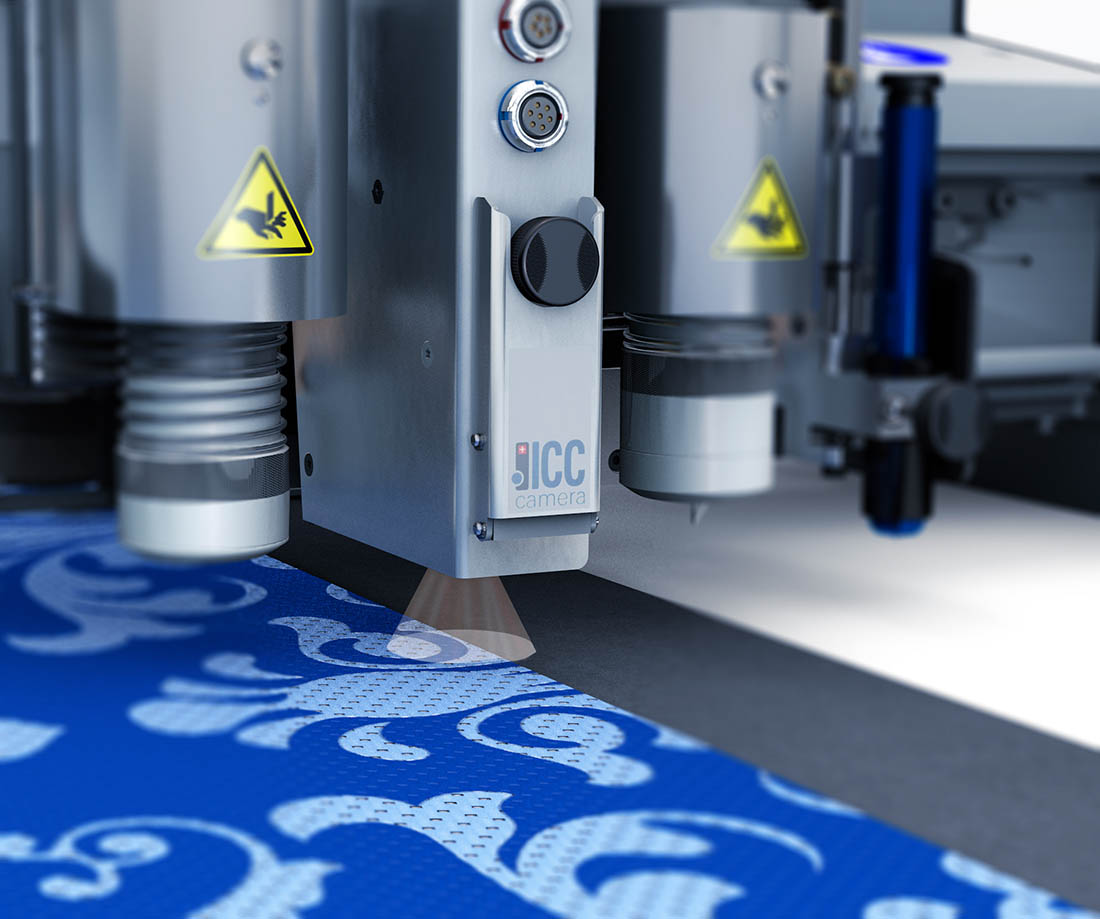
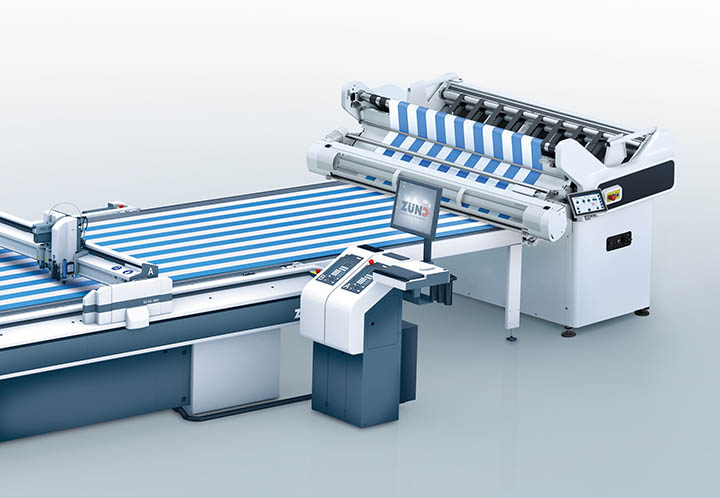
Zünd technology makes textile cutting easier and more productive than ever
390 Views
August 16, 2021
Sponsored Content
Complete cutting solutions from Zund America
258 Views
June 23, 2022
Sponsored Content
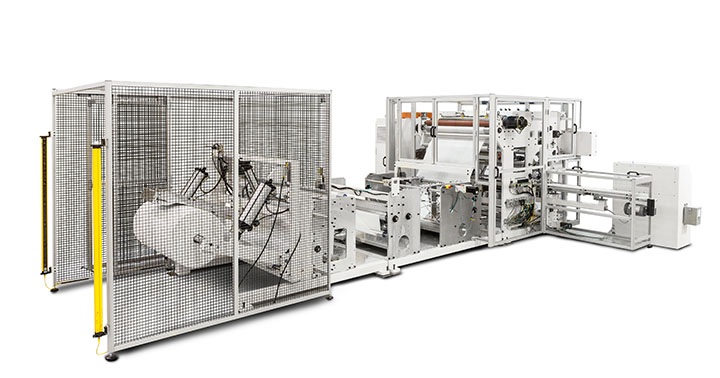
ELSNER Automated Solutions help customers keep up with demands, even during challenging times
360 Views
October 1, 2021
Facebook
Twitter
MENU
Raw Materials
Bio-Based Fiber
Fiber Intermediates
Manmade Fiber
Natural Fiber
Materials
Composite
Nonwoven
Technical Textile
End-Use Markets
Apparel
Architecture & Construction
Civil & Environmental Engineering
Consumer
Disposables
Filtration
Floor Covering
Geosynthetics & Agriculture
Home & Office Furnishings
Hygiene
Industrial
Life Science
Medical & Surgical
Packaging
Protective Apparel
Transportation
Wipes
Technologies
Additives
Bonding
Coating
Finishing, Dyeing & Printing
Nanotechnology
Polymers
Hot Topics
Industry Events
Market Data & Pricing
Research & Development
Sponsored Content
Standards & Regulations
Sustainability
Webinars
Buyer’s Guide
Magazine
Current Issue
Issue Archive
Subscribe
Advertise
Back